Keep the name attached to the reference
A component name is convenient shorthand, but it leaves out the formulation, intended use and practical instructions. When you write “mousse” in a study note, add the actual source and component title. That small addition prevents a general category from silently becoming a particular recipe.
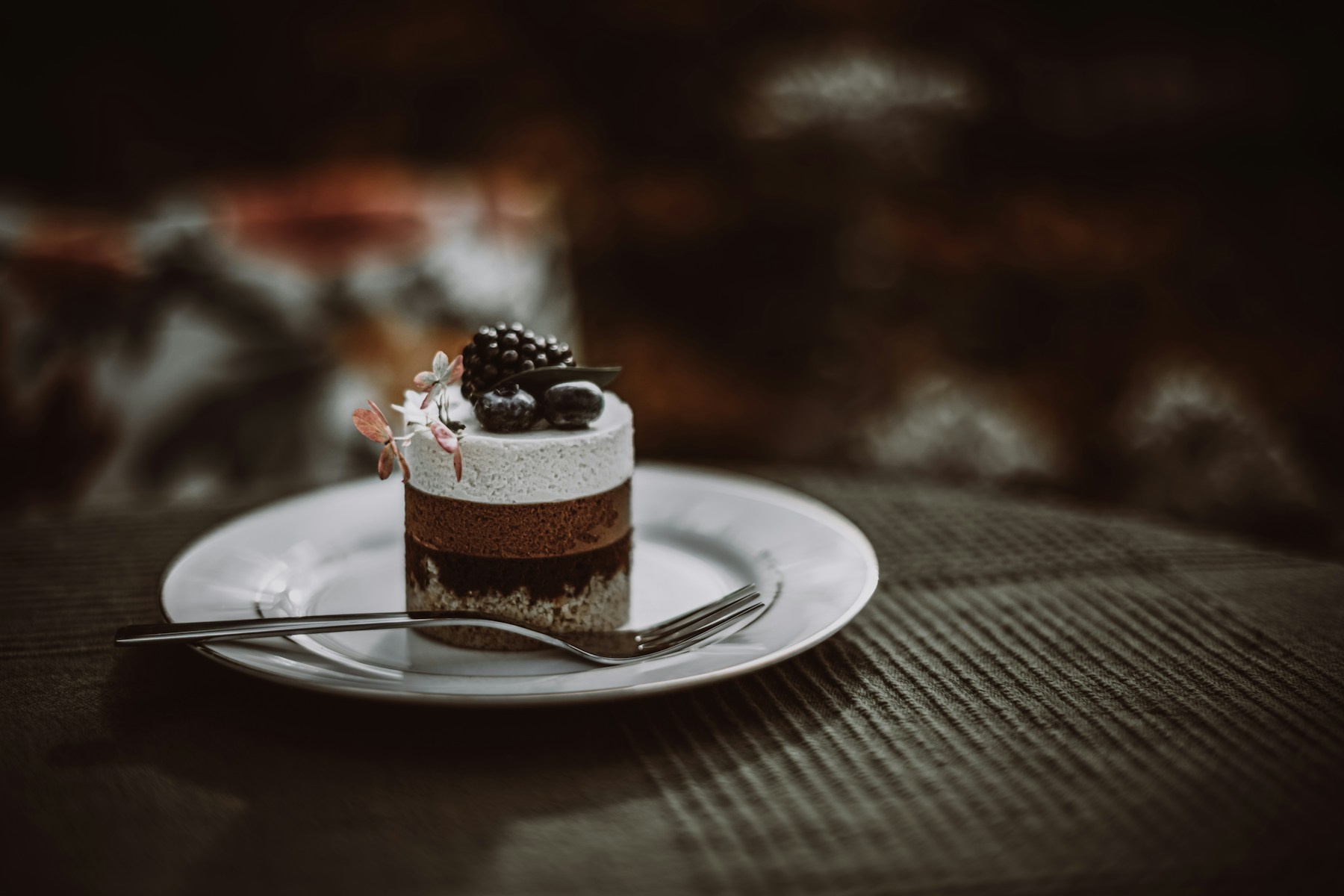
The mousse in Entremets Surprise belongs to that published composition. A different reference may organise its ingredients and method differently. Familiar vocabulary is a reason to read carefully, rather than assume that a previous set of instructions applies unchanged.
Look for the relationships
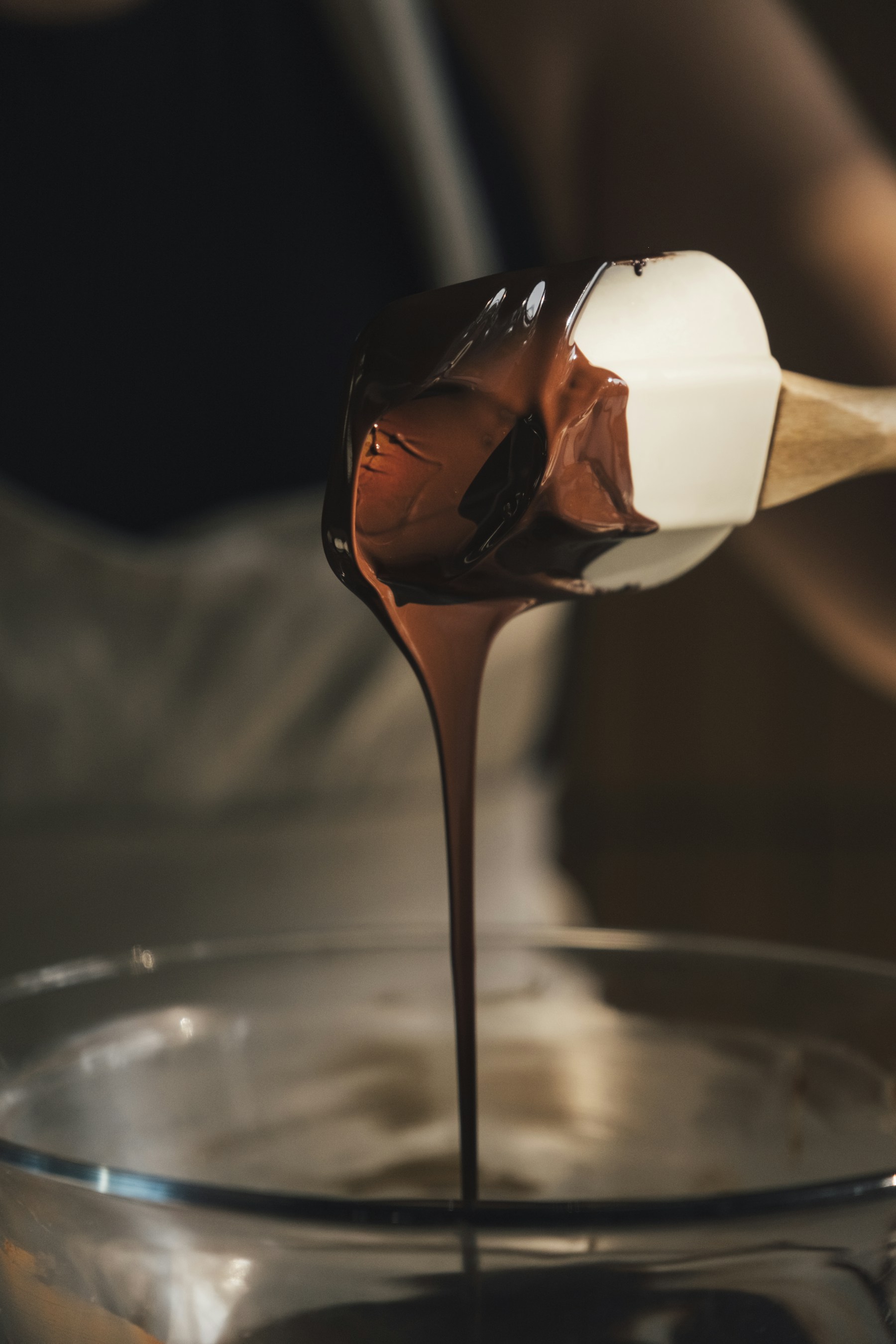
Callebaut’s ganache-balancing introduction connects formulation with the intended taste, texture and emulsion. Its ganache tutorial likewise treats a smooth result in relation to a specific teaching context. These sources concern ganache; they should not be relabelled as a universal mousse method.
The broader reading habit is valuable: identify which preparation the source addresses, what result it is pursuing and where its instructions belong. A concept can prompt a useful question without licensing the transfer of a ratio or process to another component.
Record the practical context
In a supervised trial, note the exact recipe version, agreed scale and equipment alongside your observations. Keep any departure from the intended method visible. A later comparison needs that context before it can support an explanation.
Our essays do not diagnose a batch or provide replacement temperatures, ratios or handling rules. Bring a precise question to an appropriate teacher and consult the complete current method. Good vocabulary makes that conversation clearer when the words remain connected to the work they describe.
Which exact method and formulation am I referring to when I use this component name?
REFERENCES & CONTEXT
Callebaut — What is Ganache Balancing?
Callebaut Chocolate Academy — Fundamentals of Ganache: Ganache Emulsion — Russ Thayer
Read complete practical methods with their original publishers. Original diagrams and observation prompts do not replace a reviewed recipe or appropriate instruction.
Sources & further reading