Make the relationships visible
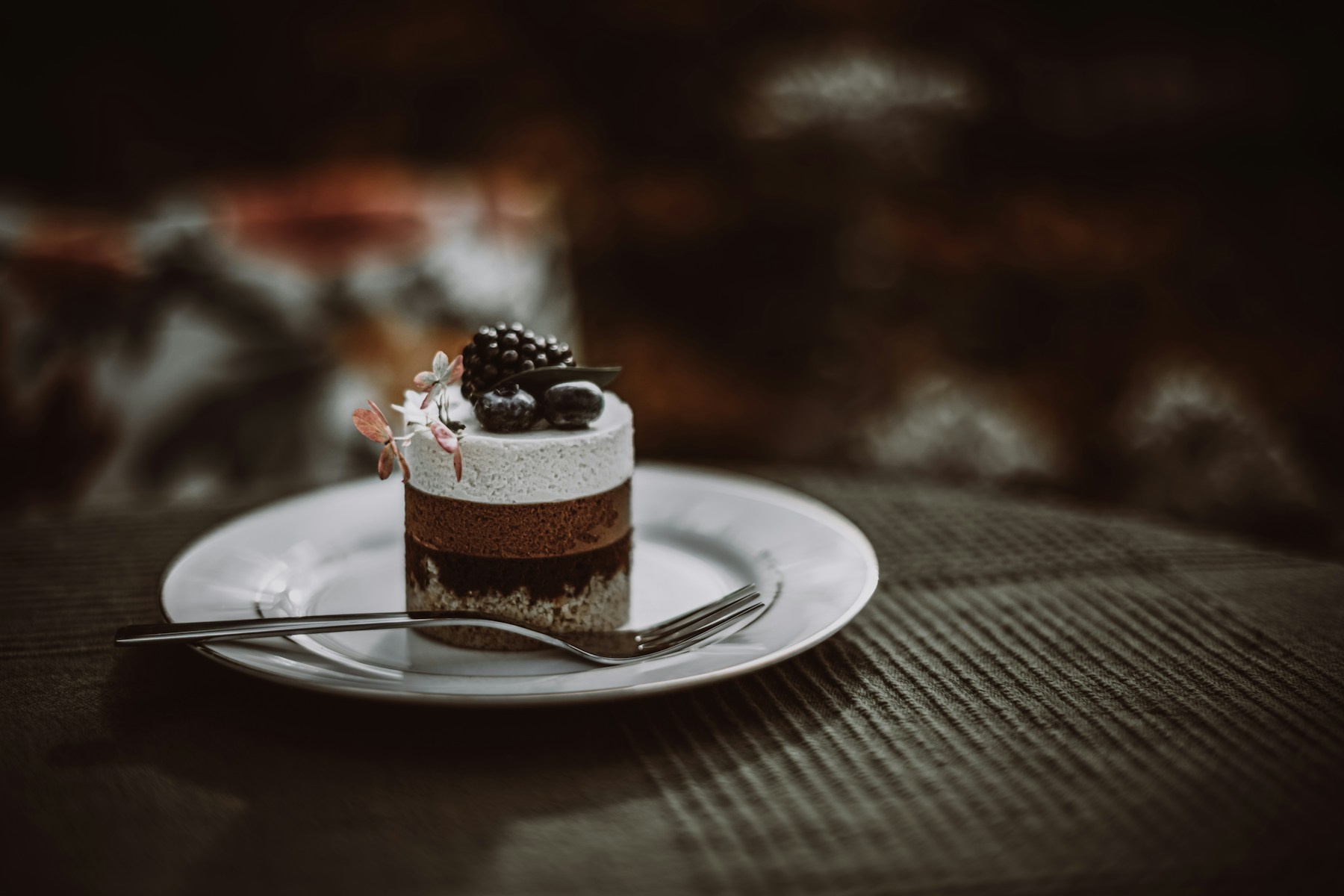
An entremet reference can look like a list of separate jobs: a base, an interior, a surrounding element and a finish. A useful first reading asks how those jobs belong together. Sketch a rough section, give each element a working label and write a short note about its intended role. The drawing is a reading aid, not a new formula.
Valrhona’s Entremets Surprise names separate sponge, streusel, mousse and raspberry components. CitricChoc organises a different set of elements and an insert. Their differences are a reason to follow the complete reference rather than assume that one diagram describes every entremet.
Give the sketch a source
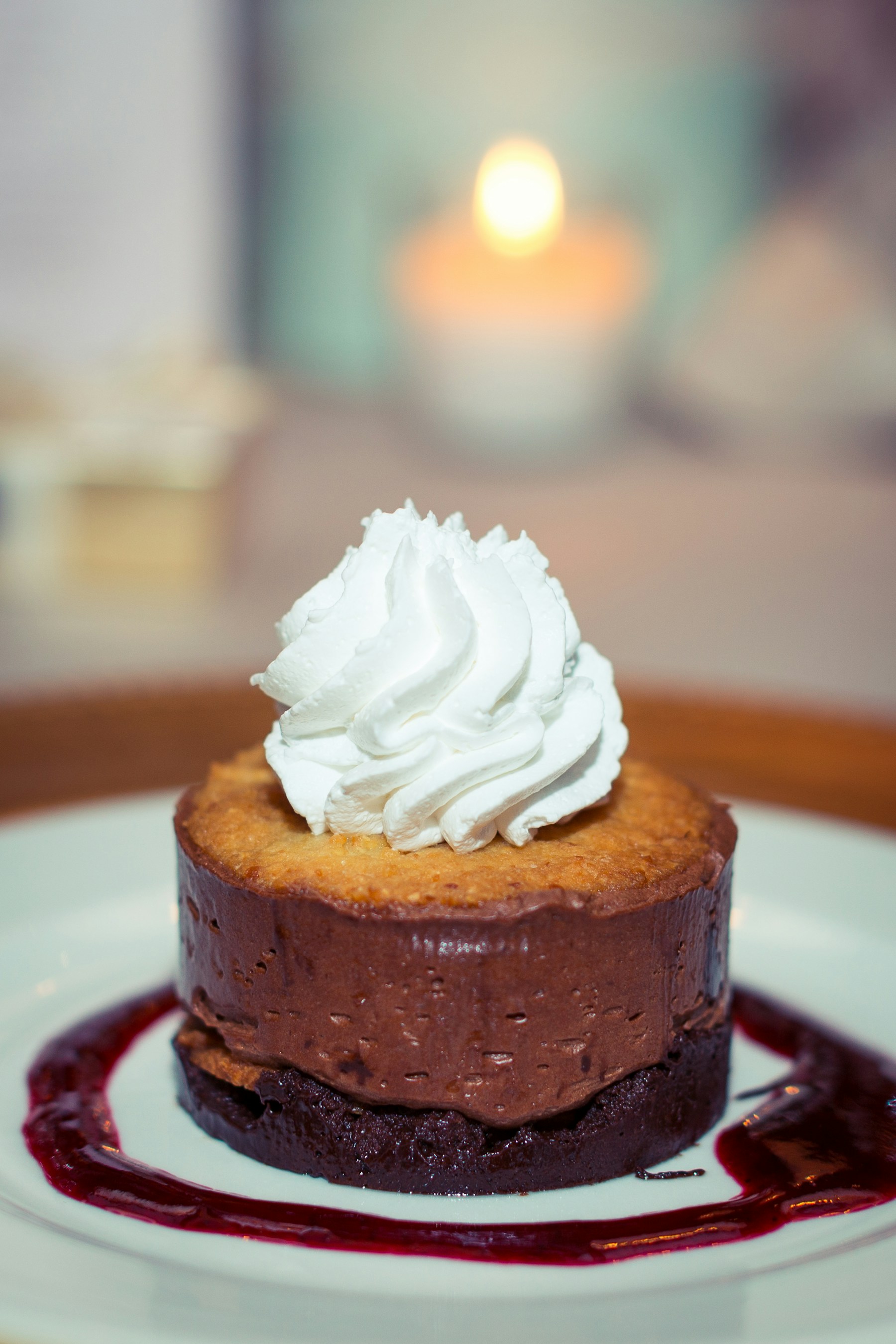
Put the original recipe title and author beside the drawing. Keep the actual component names where possible, and mark anything you have inferred from a photograph. A visible line in a cut image does not tell you an ingredient, proportion or preparation method with certainty.
This distinction makes the sketch useful in a teaching conversation. A tutor can see which relationships you understood and where you need clarification. If a section is unclear, a question mark is a more accurate mark than an invented layer that makes the drawing look complete.
Choose a question to carry forward
End the reading with one specific question: how an insert is positioned, why a component is prepared separately, or what the finish is intended to contribute. Read the original assembly section for context, then discuss the unresolved point before practical work.
The composition atlas offers deliberately abstract studies. They help compare visual relationships without claiming ingredient specifications or technical instructions. Use the same discipline in your own notebook: label the source, separate evidence from inference and preserve the question that will make the next reading more useful.
What does each component contribute to the composition I am studying?
REFERENCES & CONTEXT
Valrhona — CitricChoc Entremets — Sandra Ornelas
Read complete practical methods with their original publishers. Original diagrams and observation prompts do not replace a reviewed recipe or appropriate instruction.
Sources & further reading