Name the intended relationship
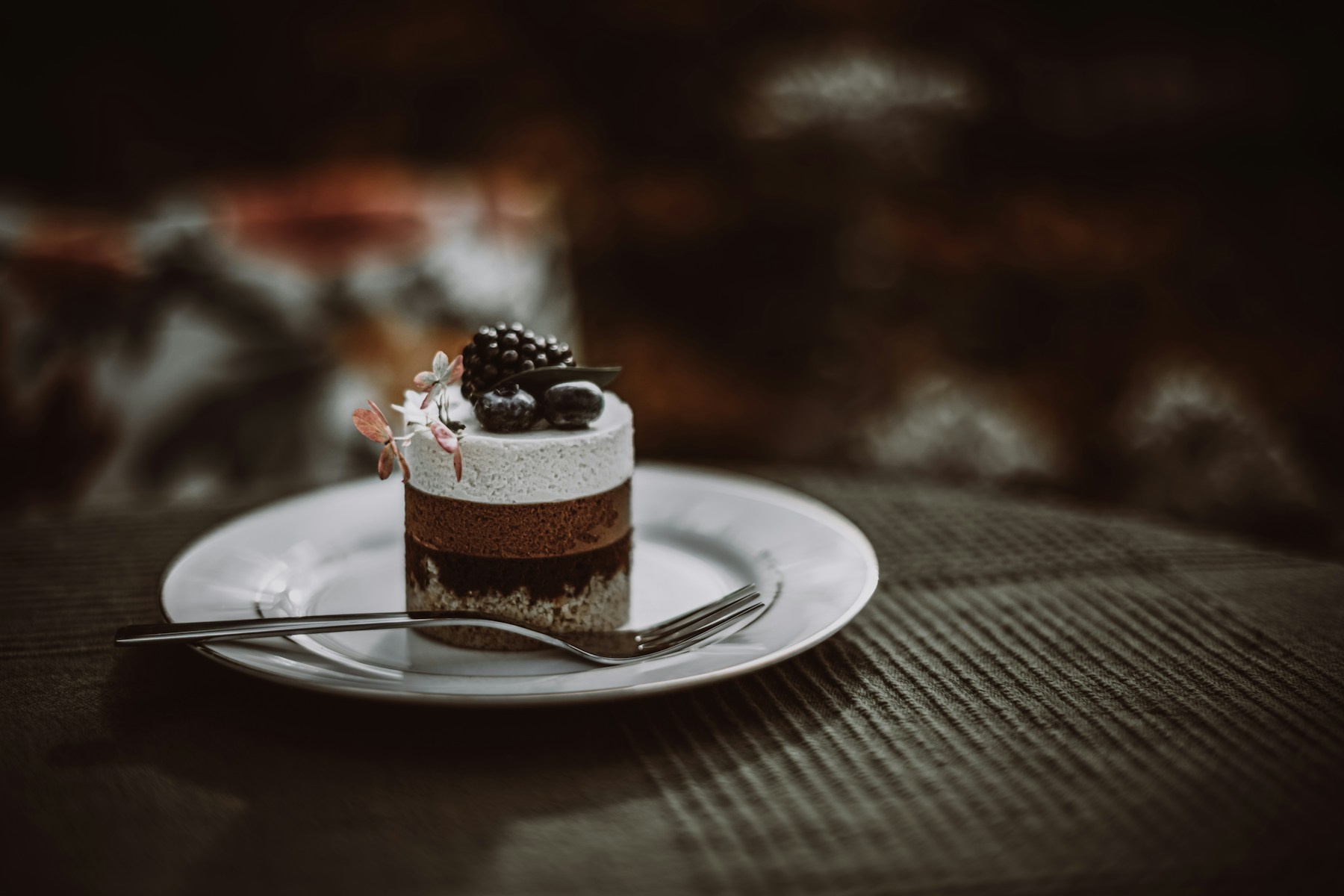
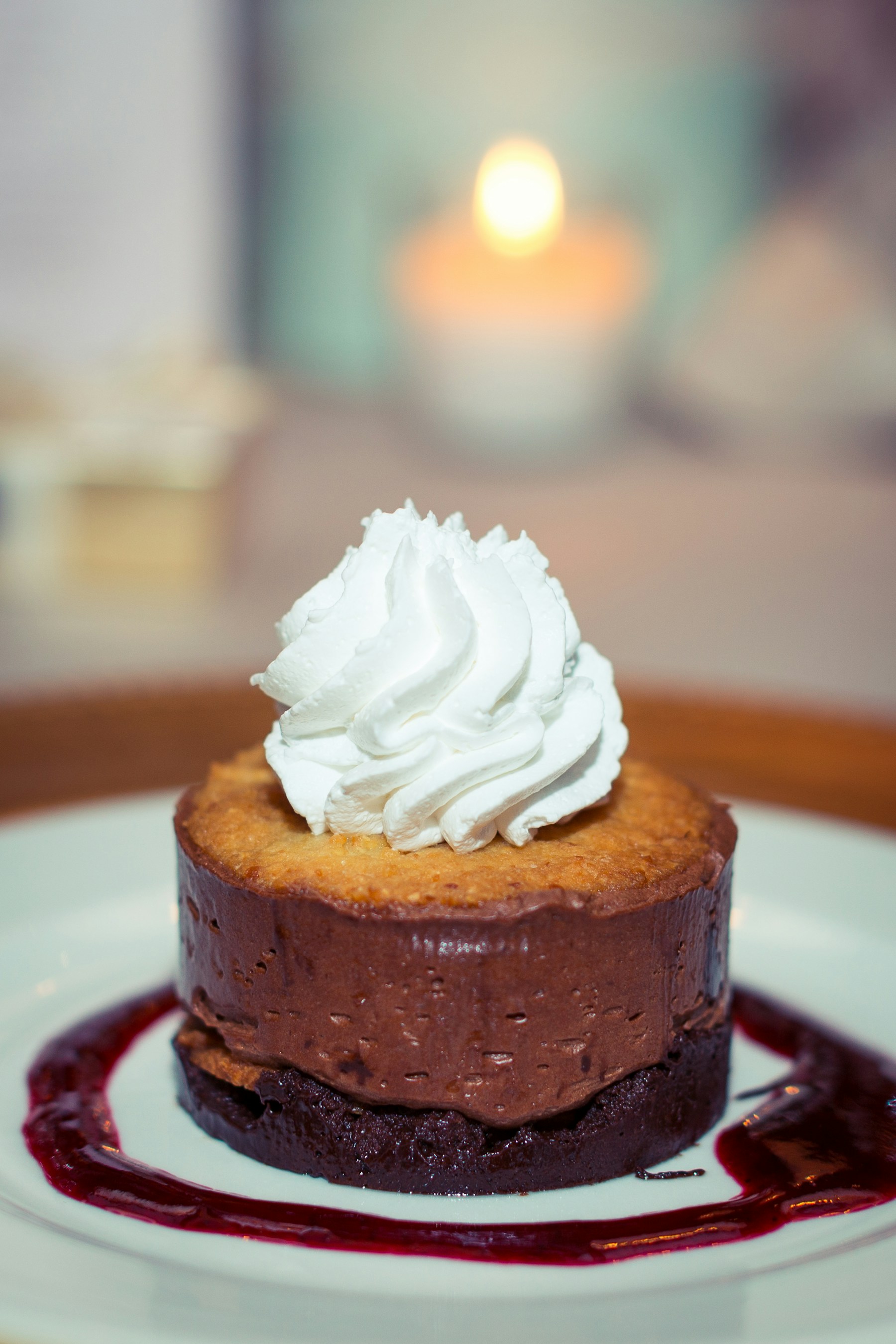
A design brief can begin with a simple relationship: a quieter surrounding element and a more pronounced centre, a smooth visual surface and a visibly different interior, or a restrained form with one expressive detail. Describing that relationship gives the sketch a purpose beyond accumulating components.
These are design questions, not predictions of taste. A fruit name does not establish acidity, and a darker colour does not measure intensity. Keep the flavour intention separate from what can actually be verified in a source or supervised tasting.
Read a complete example
CitricChoc is a useful source to read across its component names and assembly. The published composition brings citrus, chocolate and coffee references into one complete method. That observation is an invitation to examine its structure, not permission to substitute ingredients or detach one preparation from its context.
When making a reference note, describe the relationship that interests you and link it back to the original. Avoid converting an admired combination into a universal rule. Another composition may pursue a different balance, format or occasion.
Edit the brief before editing a formula
A sketch often improves when the intended focal point becomes clearer. Ask what a proposed extra detail contributes and whether the same question could be explored with the reference already in front of you. Visual simplicity and technical simplicity are different matters; neither can be assumed from a finished photograph.
For practical changes, work with an appropriate teacher or reviewed formulation. Record the reason for an agreed change and the conditions around the trial. A useful contrast note ends with an observable question, rather than a declaration that a combination must work because its names sound appealing together.
Which contrast is central to the brief, and which detail merely competes with it?
REFERENCES & CONTEXT
Valrhona — CitricChoc Entremets — Sandra Ornelas
Read complete practical methods with their original publishers. Original diagrams and observation prompts do not replace a reviewed recipe or appropriate instruction.
Sources & further reading